

Selma Dethatching Lawn Services
Choose our dethatching lawn service for a healthier, greener yard—our experienced team removes built-up thatch to promote stronger roots, better water absorption, and a lush, vibrant lawn you’ll love.
Get a Free QuoteOur Selma Landscaping & Yard Care Services
When to Schedule Dethatching Lawn in Selma, Texas – Seasonal Guide
In Selma, Texas, the best time to schedule dethatching for your lawn is typically in late spring or early fall, when grass is actively growing and can recover quickly. Selma’s warm climate, with its hot summers and mild winters, means that cool-season grasses benefit most from dethatching in early fall, while warm-season varieties like Bermuda or St. Augustine thrive when dethatched in late spring. Local neighborhoods such as Retama Springs and Kensington Ranch often experience dense shade from mature oaks and pecans, which can increase thatch buildup and influence the ideal timing for service.
Environmental factors unique to Selma—such as the region’s clay-heavy soils, variable rainfall, and occasional drought warnings—play a significant role in determining when dethatching is most effective. Homeowners near the Selma Heritage Park or along Lookout Road should also consider municipal watering restrictions and the area’s average last frost date, which typically falls in early March. For more information on local regulations and seasonal updates, visit the official city resource.
Local Factors to Consider for Dethatching Lawn in Selma
- Tree density and shade coverage (especially in neighborhoods with mature landscaping)
- Soil type, particularly clay or compacted soils
- Recent precipitation patterns and drought risk
- Municipal watering restrictions and seasonal ordinances
- Proximity to landmarks like Selma Heritage Park or Retama Park
- Lawn grass type (cool-season vs. warm-season varieties)
- Terrain slope and drainage characteristics
Benefits of Dethatching Lawn in Selma

Improved Lawn Health
Enhanced Grass Growth
Increased Water Absorption
Reduced Pest and Disease Risk
Boosted Curb Appeal
Professional Landscaping Expertise
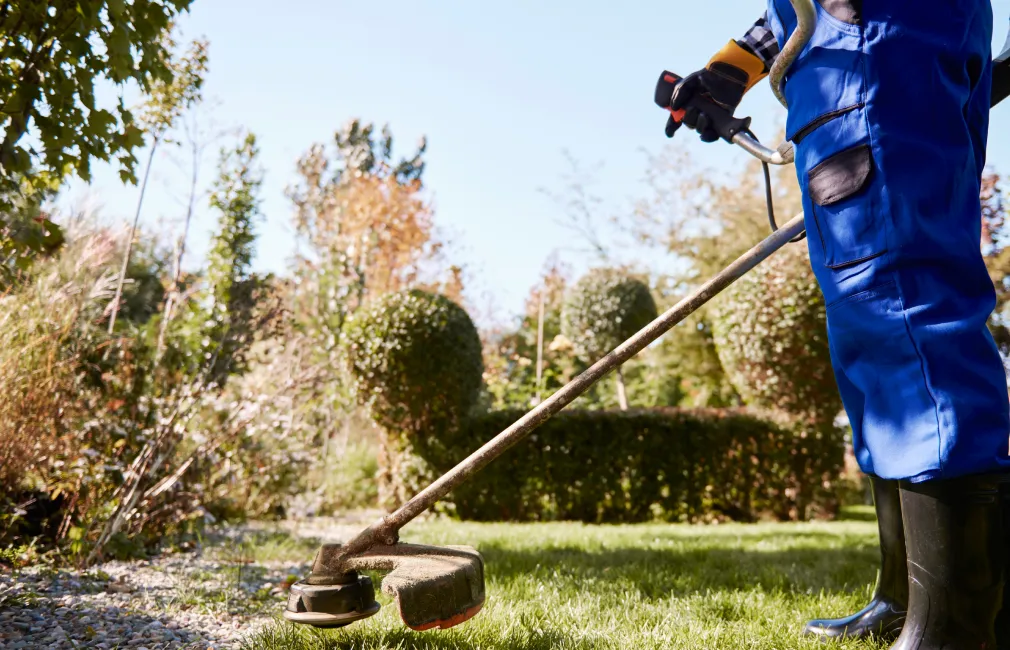
Selma Dethatching Lawn Types

Cool-Season Grass Dethatching
-
Warm-Season Grass Dethatching
-
Residential Lawn Dethatching
-
Commercial Lawn Dethatching
-
Sports Field Dethatching
-
Golf Course Dethatching
-
Park and Recreation Area Dethatching
Our Dethatching Lawn Process
Lawn Evaluation
Thatch Depth Measurement
Dethatching Equipment Setup
Thatch Removal
Cleanup and Disposal
Why Choose Selma Landscape Services
-
Selma Homeowners Trust Us
-
Expert Lawn Maintenance
-
Competitive Pricing
-
Professional Team
-
Satisfaction Guarantee
-
Personalized Service
-
Reliable Scheduling
Dethatching Lawn Procedures for Selma’s Expansive Clay Soils and Drainage Patterns
Selma’s predominant soils, including Houston Black clay and Lewisville silty clay loam, are characterized by high clay content, poor drainage, and a tendency toward compaction. These conditions make thatch accumulation a persistent issue, especially in areas with heavy foot traffic or irrigation. Dethatching should be performed when soil moisture is moderate to avoid further compaction and to ensure effective removal of organic debris. For optimal results, dethatching equipment should be set to penetrate 0.5-1 inch, with multiple passes recommended for dense thatch layers. Soil pH in Selma typically ranges from 7.5 to 8.2, so incorporating compost after dethatching can improve organic matter and nutrient availability. Residents are encouraged to consult the USDA Web Soil Survey for site-specific soil data and to coordinate with the Texas A&M AgriLife Extension (Texas A&M AgriLife Extension) for soil testing and amendment recommendations.
Municipal Collection and Disposal of Dethatching Debris in Selma
Proper disposal of dethatching debris is regulated by Selma’s municipal waste management protocols. The city provides weekly yard waste collection every Thursday from April through November. Accepted materials include grass clippings, thatch, and brush under 4 feet in length, which must be placed in biodegradable bags or reusable bins (32-gallon maximum). Plastic bags and branches over 4 inches in diameter are prohibited. Residents must ensure that debris is set out by 7:00 AM on collection day and that containers do not obstruct sidewalks or roadways. For large volumes, the Selma Public Works Department can provide guidance on drop-off locations and bulk pickup scheduling.
Selma Public Works Department
9375 Corporate Drive, Selma, TX 78154
Phone: (210) 651-7800
Official Website: Selma Public Works Department
Environmental Compliance: Stormwater and Buffer Zone Regulations in Selma
Dethatching activities in Selma must comply with local and federal stormwater management requirements to protect Cibolo Creek and nearby wetlands. The city operates under an MS4 permit, which prohibits yard waste and thatch from entering storm drains, as mandated by the Clean Water Act and enforced by the Texas Commission on Environmental Quality. Maintain a minimum 25-foot buffer from wetlands and water bodies when dethatching, and never dispose of debris in drainage ditches or creeks. Violations may result in fines or enforcement actions. For additional guidance, consult the Selma Code Enforcement Division.
Selma Code Enforcement Division
9375 Corporate Drive, Selma, TX 78154
Phone: (210) 651-7800
Official Website: Selma Code Enforcement Division
Seasonal Timing and Weather Considerations for Dethatching Lawns in Selma
Selma is located in USDA Hardiness Zone 8b, with average last frost in early March and first frost in late November. The optimal window for dethatching cool-season grasses is February 15 to March 31, when soil temperatures reach 50-55°F and turf is actively growing. For warm-season grasses, schedule dethatching between April 1 and May 15, after green-up but before peak summer heat. Avoid dethatching during drought or when soil is saturated to prevent turf damage. Monitor local weather forecasts through the National Weather Service Austin/San Antonio Office for rainfall and temperature updates. Repeat dethatching every 2-3 years for clay soils, or as thatch exceeds 0.5 inch in thickness.
- Spring dethatching: February 15 – March 31 (cool-season)
- Late spring: April 1 – May 15 (warm-season)
- Soil temperature: 50-65°F
- Frequency: Every 2-3 years for heavy clay soils
Equipment Operation Standards and Safety Protocols for Selma Lawn Care
Selma enforces municipal noise ordinances for lawn equipment operation:
- Monday-Friday: 7:00 AM – 7:00 PM
- Saturday: 8:00 AM – 6:00 PM
- Sunday and holidays: Prohibited All dethatching equipment must be maintained with functional mufflers, and noise levels should not exceed 85 decibels at property lines. Operators are required to wear ANSI Z87.1 safety glasses, hearing protection for equipment over 85 dB, steel-toed boots, and gloves. Maintain a 15-foot clearance from overhead utilities and public sidewalks during operation. For work near public roads, advance warning signs and safety cones are required. The Selma Building Permits and Inspections Division provides oversight for compliance with safety and equipment standards.
Selma Building Permits and Inspections Division
9375 Corporate Drive, Selma, TX 78154
Phone: (210) 651-6661
Official Website: Selma Building Permits and Inspections Division
What Neighborhoods Do We Serve Throughout Selma, TX?
- Retama Springs: Features newer developments with compacted fill soils and moderate drainage, requiring careful dethatching to avoid turf stress and to address irrigation runoff.
- Selma Park Estates: Characterized by mature trees and heavy shade, this area often experiences thick thatch layers and slower turf recovery, necessitating early spring dethatching.
- Live Oak Hills: Contains sloped lots and proximity to Cibolo Creek, where buffer zone compliance and erosion control are critical during dethatching operations.
- Kensington Ranch: Large lots with expansive lawns and mixed soil types, including areas of dense clay and sandy loam, present unique challenges for dethatching depth and debris management.
- Chelsea Crossing: Noted for smaller lots and higher building density, requiring attention to noise ordinance hours and equipment access limitations during service.
- Forest Creek: Located near conservation areas and floodplains, this neighborhood demands strict adherence to wetland buffer regulations and stormwater protection measures.
- Brentwood: Features established landscaping and HOA guidelines that may specify dethatching frequency, debris containment, and seasonal timing for all lawn care activities.