
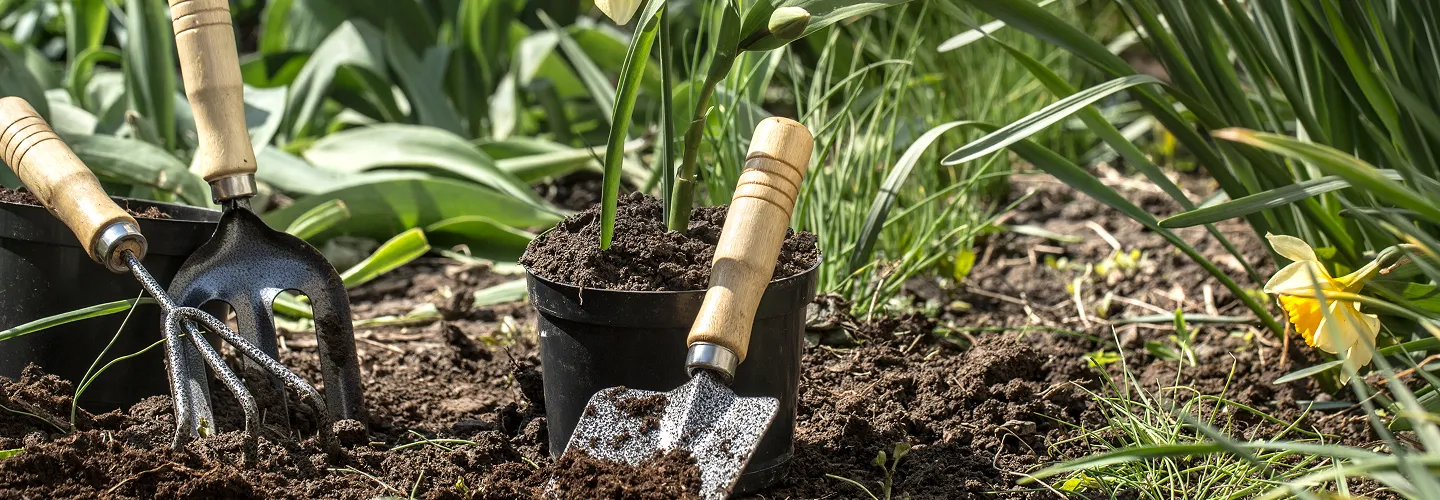
Selma Flower Bed Maintenance Services
Choose our Flower Bed Maintenance for expert care, healthy blooms, and a beautiful landscape that enhances your home's curb appeal—let us handle the hard work so you can enjoy a thriving, colorful garden without the hassle.
Get a Free QuoteOur Selma Landscaping & Yard Care Services
When to Schedule Flower Bed Maintenance in Selma, Texas – Seasonal Guide
In Selma, Texas, the timing of flower bed maintenance is closely tied to our unique climate and local landscape features. With mild winters and hot, humid summers, the best periods for comprehensive flower bed care are typically early spring (late February to April) and early fall (September to October). These windows allow for planting, mulching, and soil amendments before the intense summer heat or potential winter frosts set in. Neighborhoods near Retama Park and along Lookout Road often experience microclimates due to varying shade coverage and proximity to the Cibolo Creek, which can influence soil moisture and plant health.
Local environmental factors such as late spring frost dates, periods of drought risk, and the region’s clay-heavy soils all play a role in determining the optimal maintenance schedule. Homeowners in subdivisions like Olympia Hills or Kensington Ranch should also consider municipal watering restrictions and the impact of dense tree canopies on sunlight availability. For more information on local regulations and resources, visit the official Selma city website.
Local Factors to Consider for Flower Bed Maintenance in Selma
- Tree density and shade coverage in your yard
- Soil type (clay, loam, or sandy soils)
- Average precipitation and drought risk
- Proximity to creeks or low-lying areas
- Municipal watering restrictions
- Terrain and drainage patterns
- Seasonal humidity and temperature swings
Benefits of Flower Bed Maintenance in Selma
Enhanced Curb Appeal
Weed and Pest Prevention
Healthier Plant Growth
Seasonal Color Management
Professional Landscaping Expertise
Time and Effort Savings
Selma Flower Bed Maintenance Types

Seasonal Flower Planting
-
Weed Control Services
-
Mulching and Soil Conditioning
-
Pruning and Deadheading
-
Fertilization Programs
-
Pest and Disease Management
-
Edging and Bed Redefining
Our Flower Bed Maintenance Process
Site Evaluation
Weed Removal
Soil Preparation
Plant Care
Mulching
Why Choose Selma Landscape Services
-
Selma Homeowners Trust Us
-
Expert Lawn Maintenance
-
Competitive Pricing
-
Professional Team
-
Satisfaction Guarantee
-
Personalized Service
-
Reliable Scheduling
Soil Series and Drainage Considerations for Flower Beds in Selma
Selma’s predominant soils, as identified by the USDA Web Soil Survey, include Houston Black clay and Lewisville silty clay loam, both of which are characterized by high clay content and moderate to poor drainage. These soils typically exhibit pH values ranging from 7.2 to 8.0, requiring careful amendment for optimal flower bed health. For effective flower bed maintenance, it is recommended to incorporate 2-3 inches of compost tilled to a 6-inch depth and to conduct soil testing through Texas A&M AgriLife Extension (typical cost: $15-25). Key soil management steps include:
- Lime application only if pH is below 6.0 (rare in Selma)
- Sulfur amendments for pH above 7.5
- Raised beds or French drains for areas with seasonal waterlogging
Selma Public Works Department
9375 Corporate Drive, Selma, TX 78154
Phone: (210) 651-7800
Official Website: Selma Public Works Department
provides guidance on drainage improvements and infrastructure coordination for residential landscaping projects.
Seasonal Timing and Climate Zone Guidance for Selma Flower Beds
Selma is located in USDA Hardiness Zone 8b, with average annual minimum temperatures of 15-20°F. The local climate features hot, dry summers and mild winters, requiring careful scheduling of flower bed maintenance. Optimal planting windows for annuals and perennials are:
- Spring: March 1 – April 15 (soil temp 55-65°F)
- Fall: September 15 – October 31 (before first frost)
- Avoid planting June-August due to heat stress
Routine mulching (2-3 inches) should be applied in late March and again in October to conserve soil moisture and moderate temperature fluctuations. For weather-specific scheduling, consult the National Weather Service Austin/San Antonio Office. Regular irrigation is essential during drought periods, but avoid overwatering in poorly drained soils to prevent root rot.
Municipal Regulations and Flower Bed Maintenance Ordinances in Selma
Flower bed maintenance in Selma is governed by city ordinances addressing property appearance, debris management, and equipment operation. Key requirements include:
- Equipment operation permitted: Monday-Friday 7:00 AM – 7:00 PM; Saturday 8:00 AM – 6:00 PM; prohibited Sundays/holidays
- Yard waste collection: Thursdays, April–November; use biodegradable bags or 32-gallon bins
- Prohibited: Plastic bags, branches over 4 inches diameter
- Maintain 25-foot buffer from wetlands and drainage channels
Permit applications for landscape modifications near protected areas are reviewed by the Planning and Zoning Commission (review time: 10 business days; typical fee: $50). Compliance with these standards is enforced by the Code Enforcement Division.
Selma Code Enforcement Division
9375 Corporate Drive, Selma, TX 78154
Phone: (210) 651-7800
Official Website: Selma Code Enforcement Division
Environmental Compliance: Stormwater and Buffer Zone Requirements in Selma
All flower bed maintenance activities in Selma must comply with the Texas Water Code and the city’s MS4 stormwater permit, which prohibits the discharge of soil, mulch, or plant debris into storm drains. The Texas Commission on Environmental Quality (TCEQ) enforces these requirements, and the city maintains a 25-foot no-disturbance buffer from wetlands and drainageways. Best practices include:
- Never dispose of clippings or soil in storm drains
- Maintain vegetative buffers along Cibolo Creek and local drainage channels
- Use only slow-release fertilizers and avoid application within 50 feet of water bodies
Texas Commission on Environmental Quality
12100 Park 35 Circle, Austin, TX 78753
Phone: (512) 239-1000
Official Website: Texas Commission on Environmental Quality
For additional guidance, refer to EPA Region 6 and the Clean Water Act.
Plant Selection and Native Species Recommendations for Selma Flower Beds
Selecting appropriate plant species is essential for sustainable flower bed maintenance in Selma’s climate and soils. Recommended species for full sun and alkaline clay soils include:
- Black-eyed Susan (Rudbeckia fulgida)
- Autumn sage (Salvia greggii)
- Purple coneflower (Echinacea purpurea)
- Mexican bush sage (Salvia leucantha)
- Turk’s cap (Malvaviscus arboreus)
For partial shade, consider:
- Coral bells (Heuchera sanguinea)
- Inland sea oats (Chasmanthium latifolium)
- Heartleaf skullcap (Scutellaria ovata)
Native and drought-tolerant selections reduce irrigation needs and support pollinators. For detailed plant lists and spacing guidelines, consult Texas A&M AgriLife Extension. Plant 12-18 inches apart for annuals and 18-24 inches for perennials to ensure healthy growth and airflow.
What Neighborhoods Do We Serve Throughout Selma, TX?
- Retama Springs: Features newer developments with compacted fill soils and moderate drainage, requiring raised beds and organic amendments for optimal flower bed performance.
- Selma Park Estates: Characterized by mature landscaping, larger lots, and established tree canopies, which create partial shade and increased leaf litter management needs.
- Live Oak Hills: Located near Cibolo Creek, this area has periodic flooding and clay soils with poor drainage, necessitating careful buffer maintenance and erosion control.
- Kensington Ranch: Subdivision with HOA landscaping standards, uniform lot sizes, and irrigation system requirements that influence plant selection and maintenance schedules.
- Creekside Gardens: Proximity to drainage channels and wetlands imposes strict buffer zone compliance and limits on fertilizer and pesticide use.
- Forest Creek: Features sloped lots and mixed sun/shade exposure, requiring erosion-resistant plantings and mulching to prevent soil loss.
- Selma Crossing: Newer area with ongoing construction, variable soil compaction, and access limitations for equipment, impacting timing and methods for flower bed installation.